





MurgiCare is an ambitious attempt to put AI-powered disease detection into the hands of smallholder farmers. The technology shows promise, but its real significance lies in what it represents for the future of agriculture.
Artificial intelligence is rapidly finding its way into almost every industry. From detecting cancer to optimising supply chains, AI is increasingly being used to solve problems once thought to require specialist expertise.
Agriculture is no exception.
Across Europe and North America, farmers are beginning to use drones, satellite imagery, sensors and machine learning to improve crop yields and livestock management. In Bangladesh, however, many of these technologies remain beyond the reach of the country’s millions of smallholder farmers.
That is where MurgiCare, developed by British Bangladeshi FinTech Futuredesh, attempts to bridge the gap. Rather than building technology for industrial-scale farming, MurgiCare focuses on one of Bangladesh’s most important agricultural sectors: poultry.
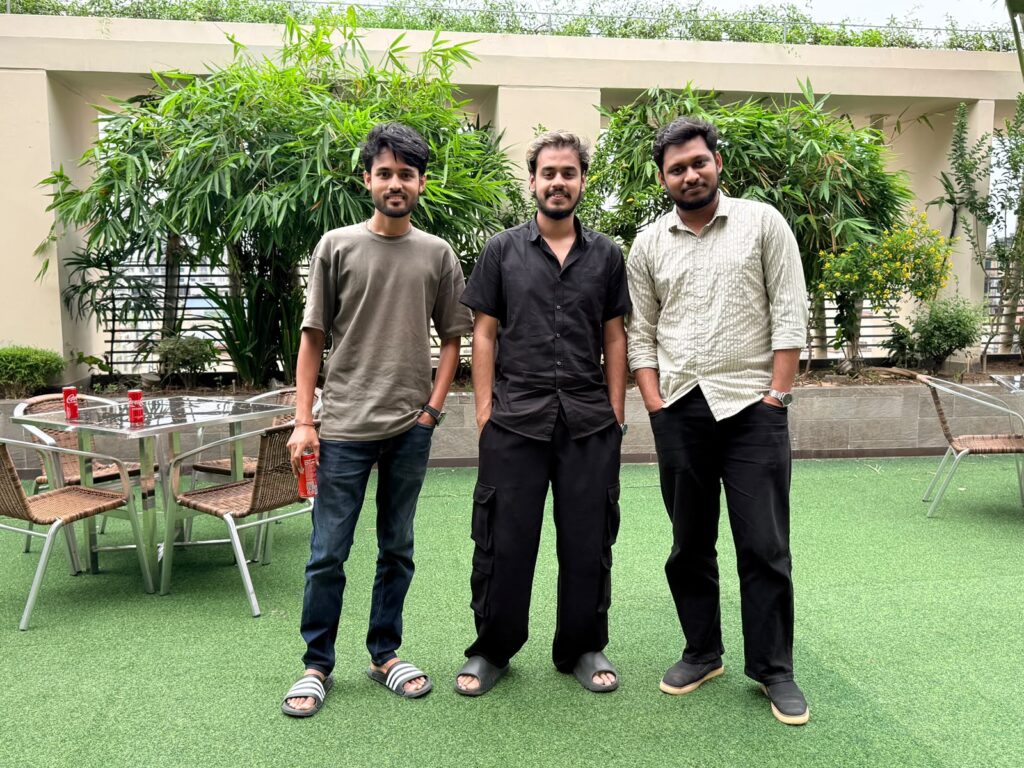
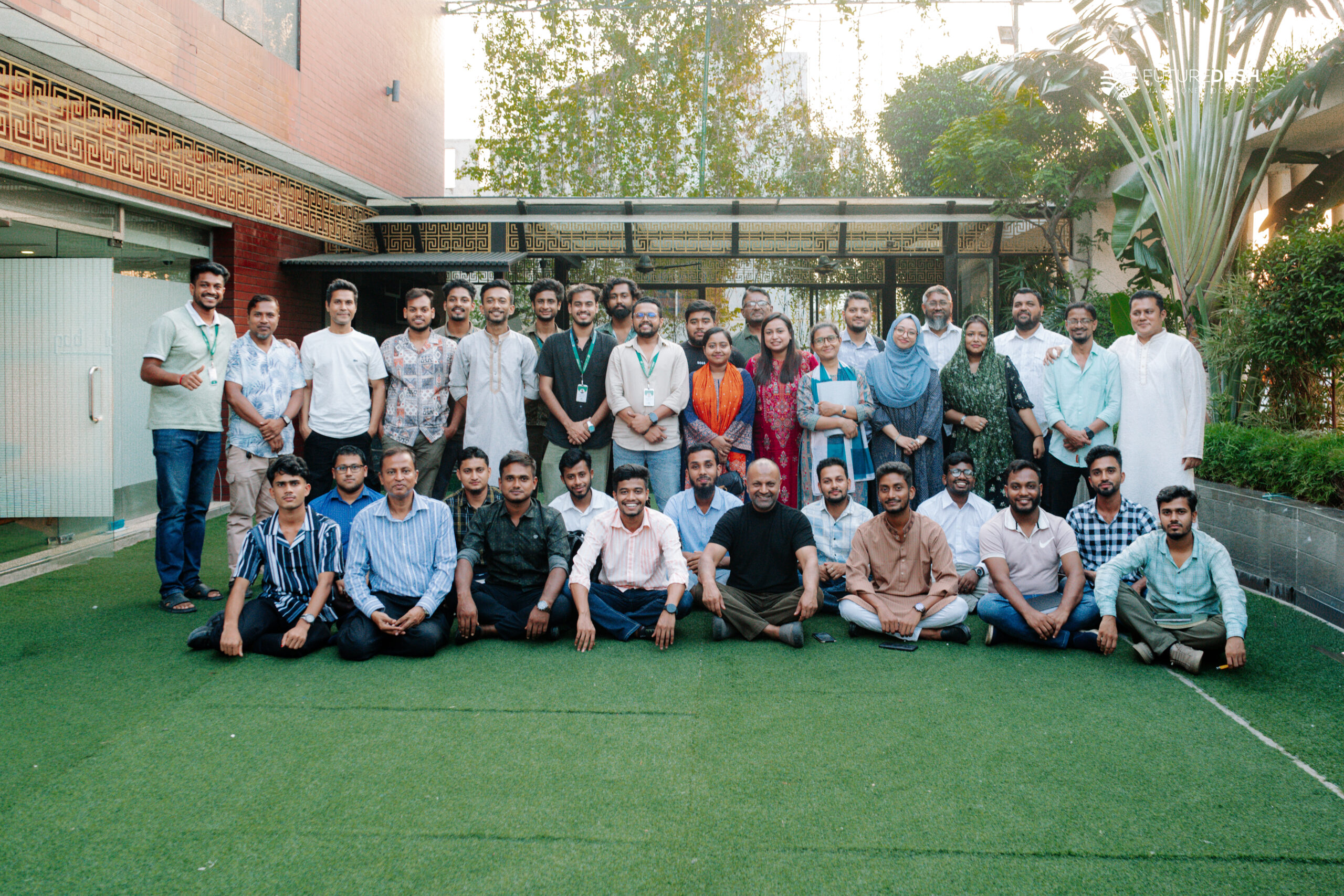
From the left: Niloy Kumar Sarker | Md Safrid Bhueyan | Abu Al Nazir Mitul (Development Team)
Its premise is deceptively simple.
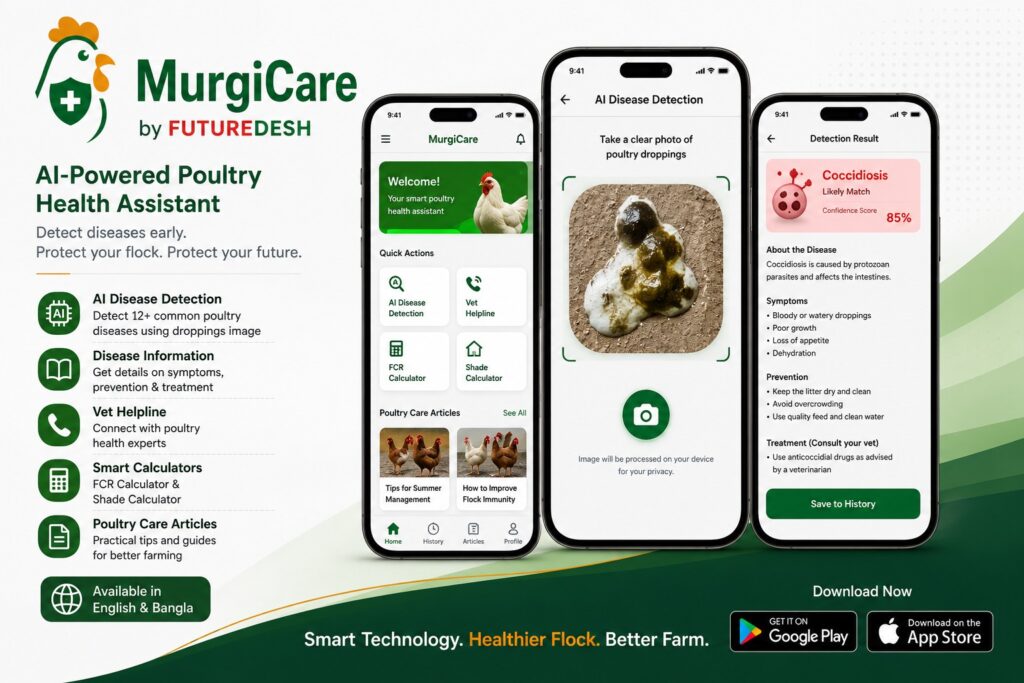
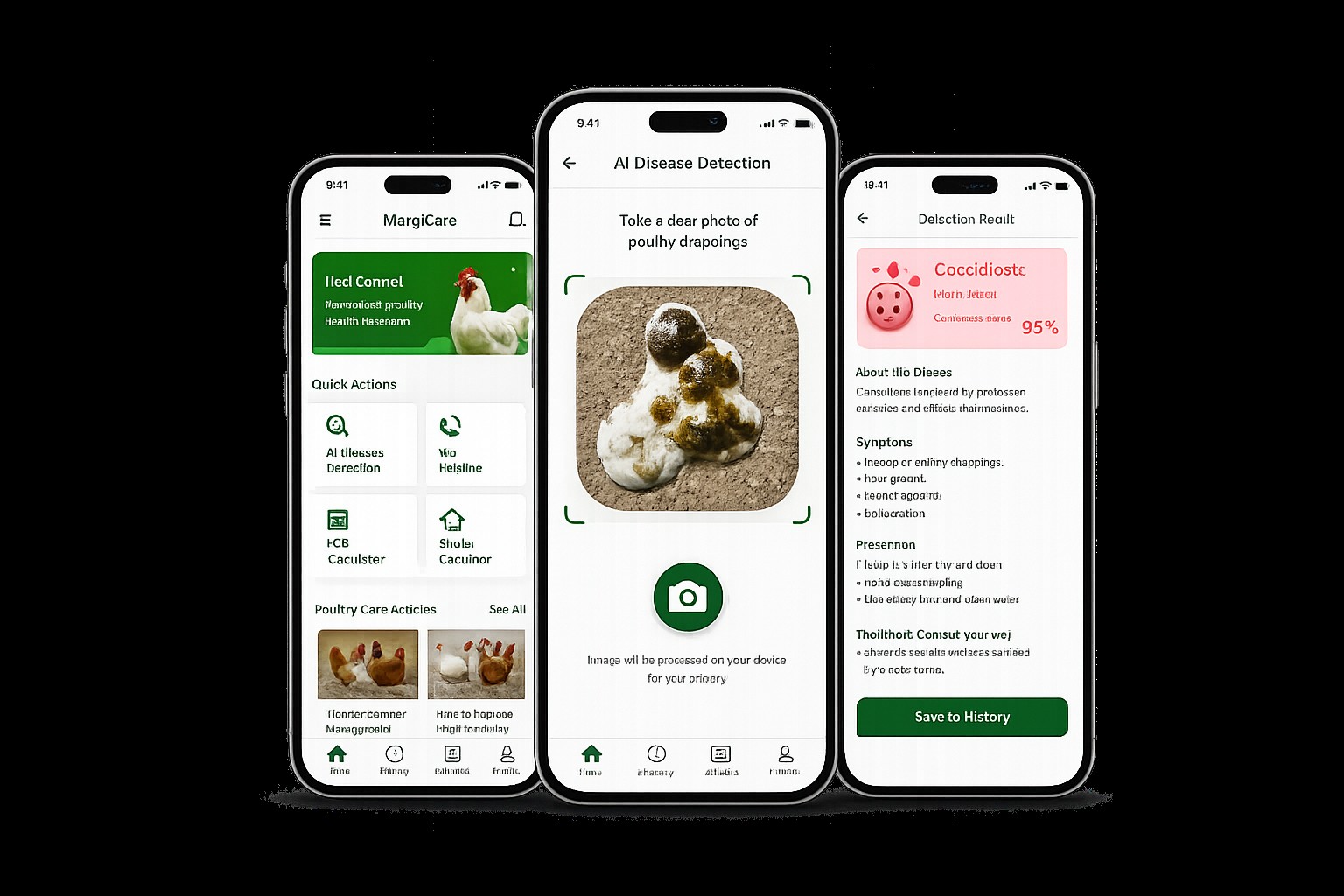
Using the camera on a standard smartphone, farmers can photograph chicken droppings, allowing the application’s artificial intelligence model to assess whether the image resembles one of several common poultry diseases. The app then provides information on possible symptoms, preventative measures and initial treatment guidance. It also includes husbandry articles, a feed conversion ratio calculator, shed planning tools and access to veterinary support.
For farmers who may have limited access to veterinary services, particularly in rural communities, reducing the time between the first signs of illness and taking action could make a meaningful difference.
That distinction is important.
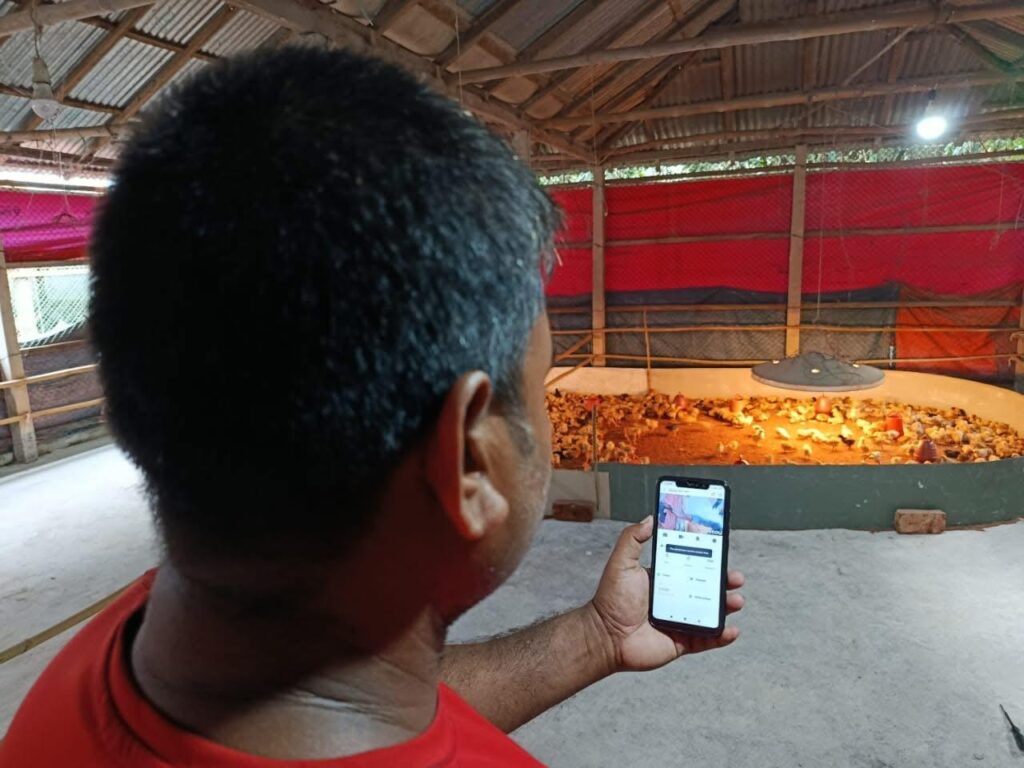
MurgiCare is not designed to replace veterinarians or laboratory testing, nor does it claim to provide a definitive diagnosis. Instead, it functions as an early-warning tool, encouraging farmers to seek appropriate advice sooner and make more informed management decisions.
In a country where poultry disease can quickly wipe out months of investment, even modest improvements in early detection have the potential to reduce losses.
The broader significance of MurgiCare, however, extends beyond disease recognition.
It reflects a shift in who artificial intelligence is being built for.
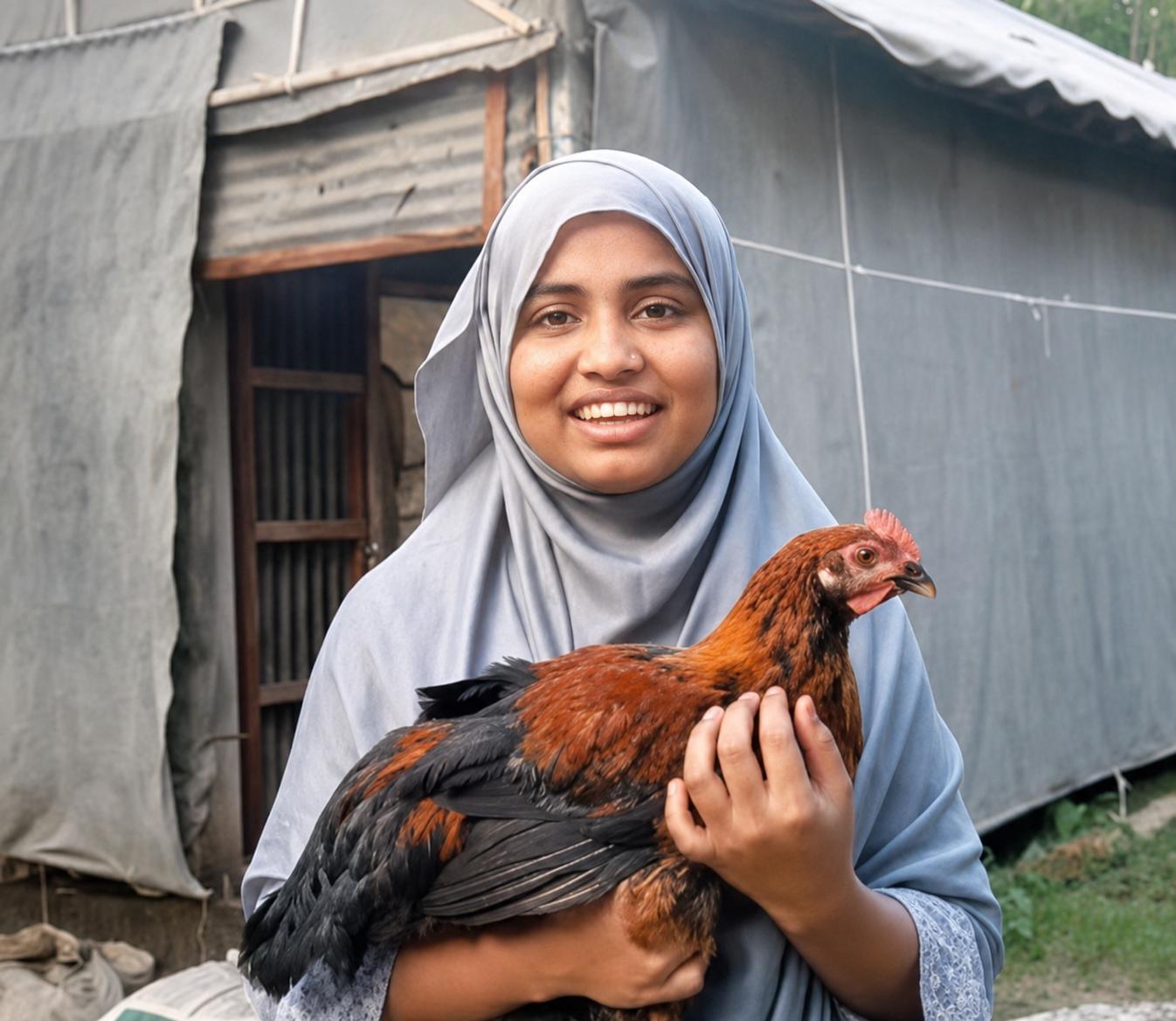
Much of today’s AI conversation centres on office productivity, software development or creative industries. MurgiCare instead asks a different question: what if AI could support someone managing a 500-bird poultry shed in rural Bangladesh?
It is an example of AI being applied not to replace human expertise but to augment it.
That philosophy aligns with a growing movement in agricultural technology, where artificial intelligence acts as a decision-support system rather than an autonomous decision-maker. Farmers remain responsible for interpreting conditions on the ground, while technology provides additional information to improve confidence and speed.
Whether MurgiCare succeeds will ultimately depend on adoption.
Like every AI model, its usefulness depends on the quality of its training data, continuous refinement and the confidence farmers place in its recommendations. Real-world performance across different breeds, farming environments and disease presentations will determine how valuable it becomes over time.
Futuredesh appears to recognise this challenge.
Rather than positioning MurgiCare as a standalone product, the company has integrated it into a wider digital agricultural ecosystem that includes farmer support, investment management and livestock monitoring. If those systems continue to evolve together, the application could become more than a diagnostic tool, it could become part of a comprehensive digital platform for poultry production.
Bangladesh’s poultry industry supports millions of livelihoods and contributes significantly to the nation’s food security. Yet many producers still rely on experience, observation and delayed access to veterinary advice when disease emerges.
Applications like MurgiCare suggest another possibility.
Not one where artificial intelligence replaces the farmer, but where it becomes another tool alongside good husbandry, veterinary expertise and practical experience.
For Bangladesh, that may be the more important innovation.
Because the future of AI may not simply be found in offices and laboratories.
It may also be found in poultry sheds.